
jijitsu
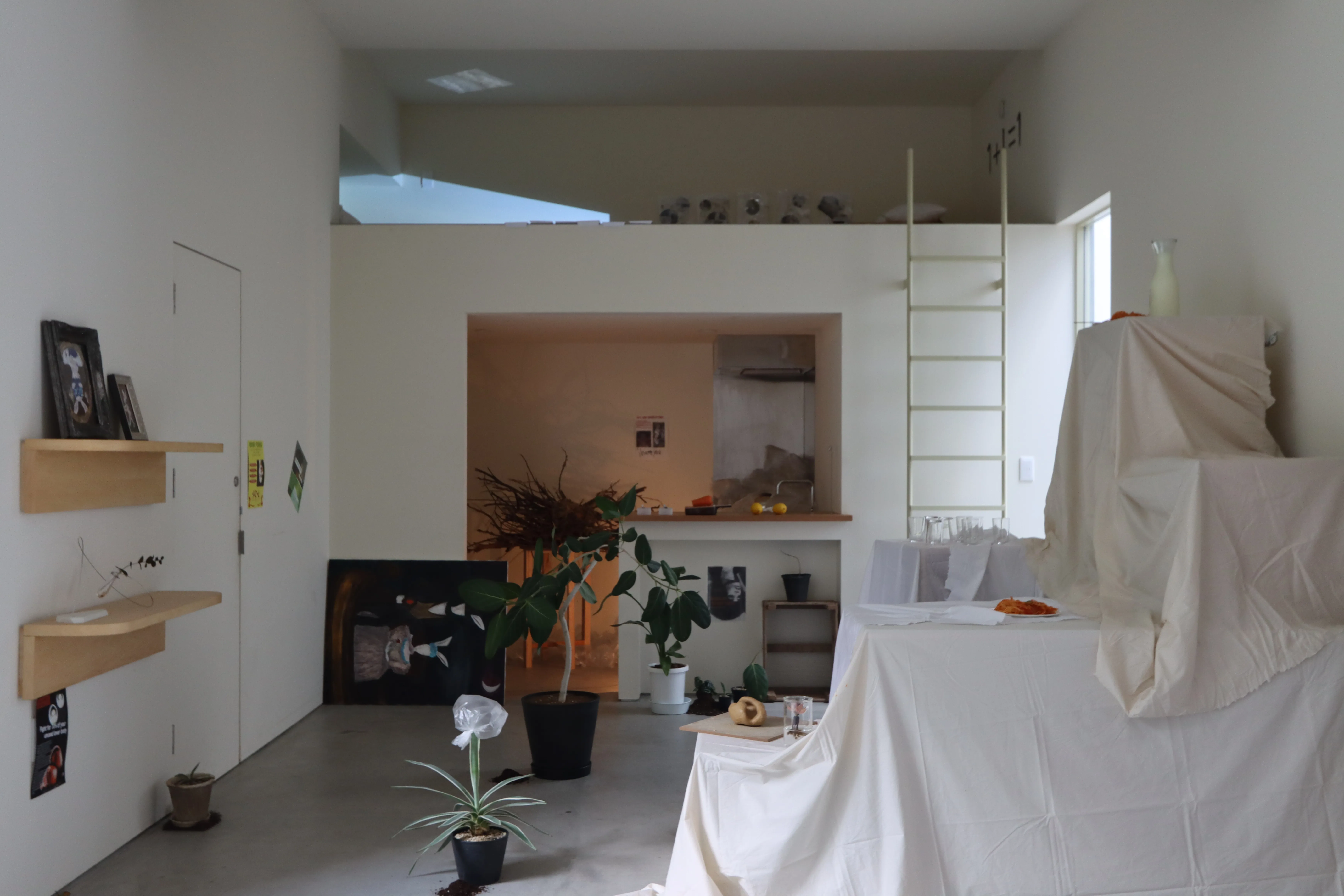
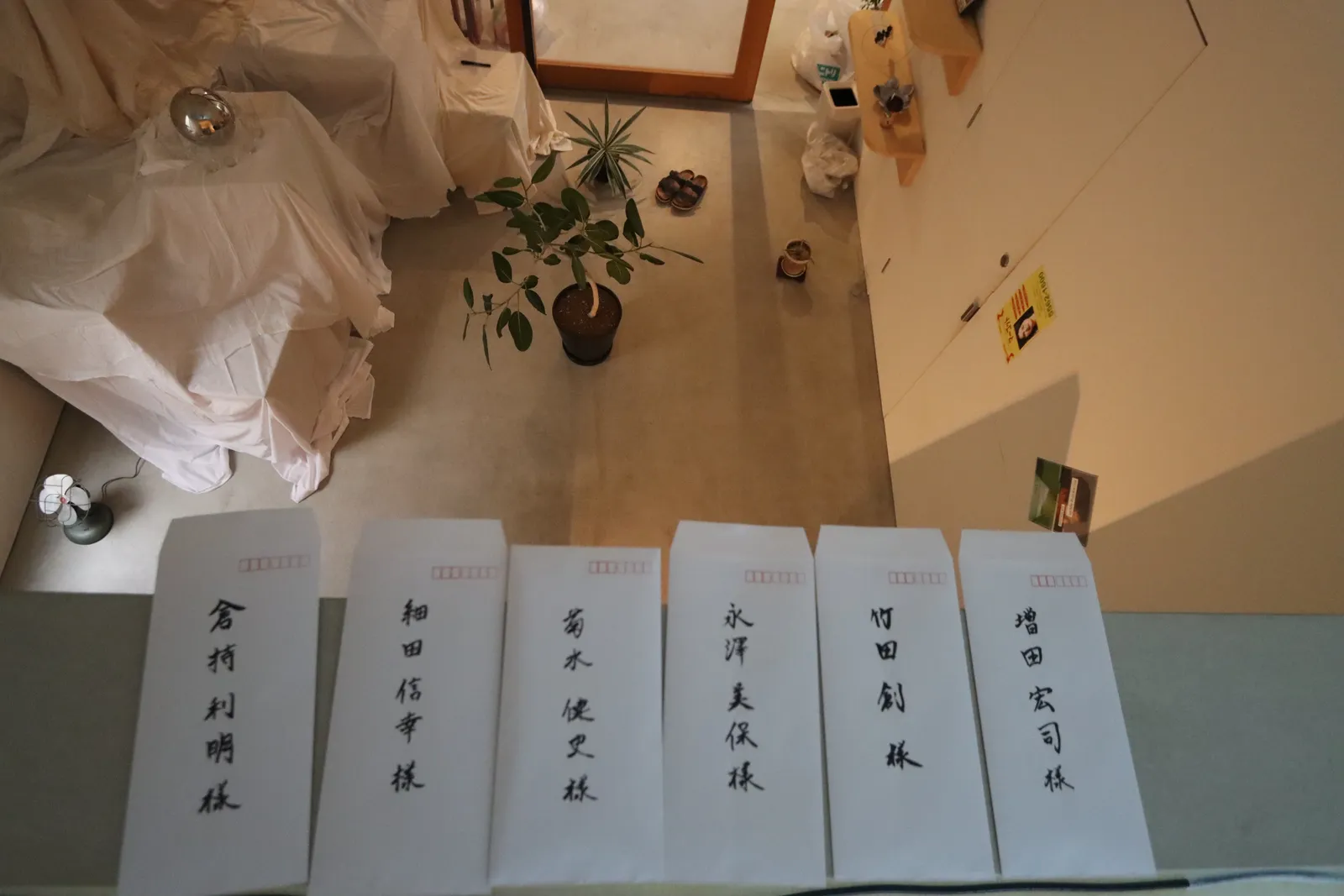
This compact room has a kitchen, toilet, and loft. At first glance, it could be an apartment anyone might live in. Yet half the room is occupied by blocks covered in white cloth, and the space doesn't seem designed for comfortable living.
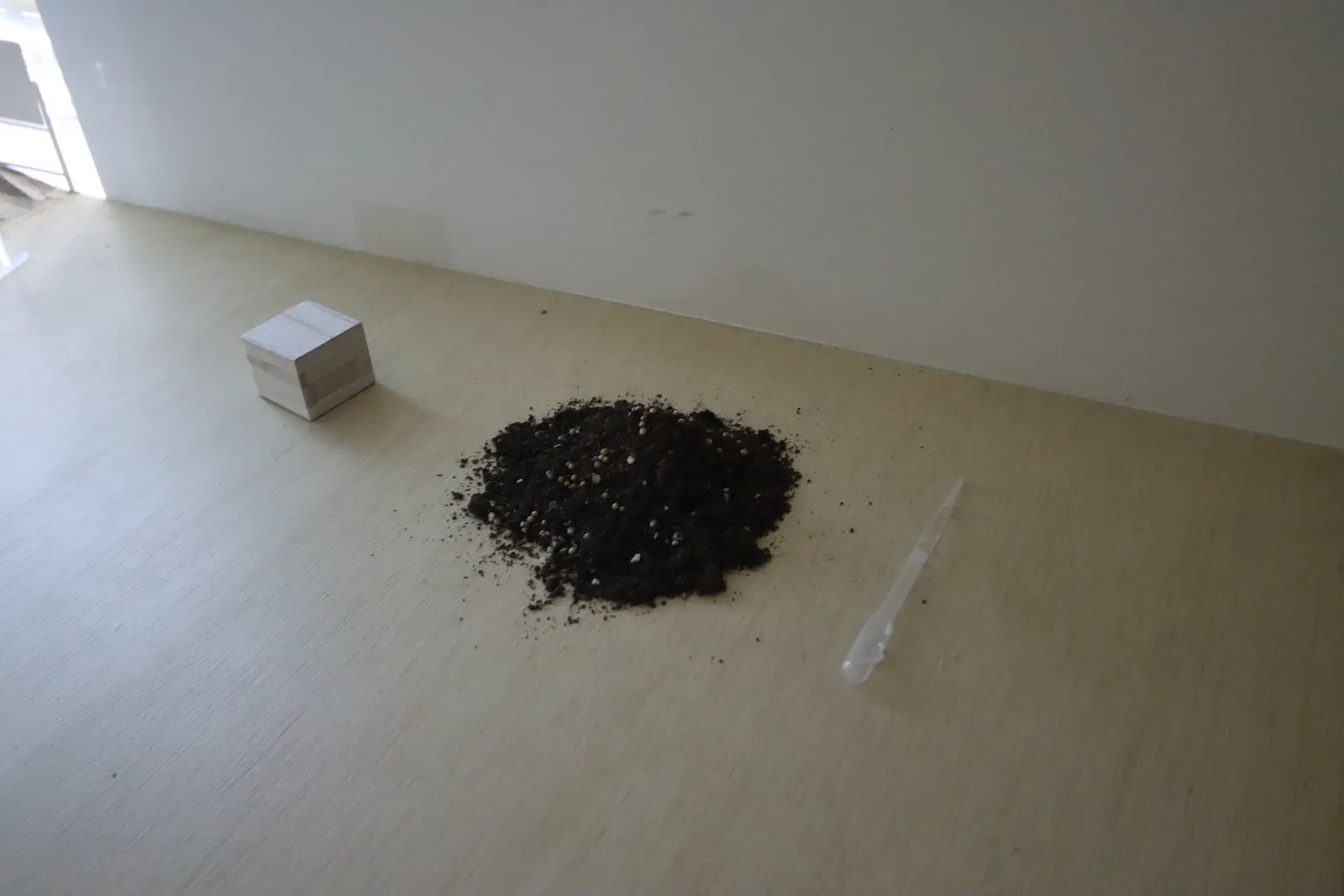
Plants with their soil, a bottle of what looks like milk, and sculpted clay are scattered across the floor. The room feels lived in, yet something about it is strangely unsettling.
jijitsu
This compact room has a kitchen, toilet, and loft. At first glance, it could be an apartment anyone might live in. Yet half the room is occupied by blocks covered in white cloth, and the space doesn't seem designed for comfortable living.
Plants with their soil, a bottle of what looks like milk, and sculpted clay are scattered across the floor. The room feels lived in, yet something about it is strangely unsettling.
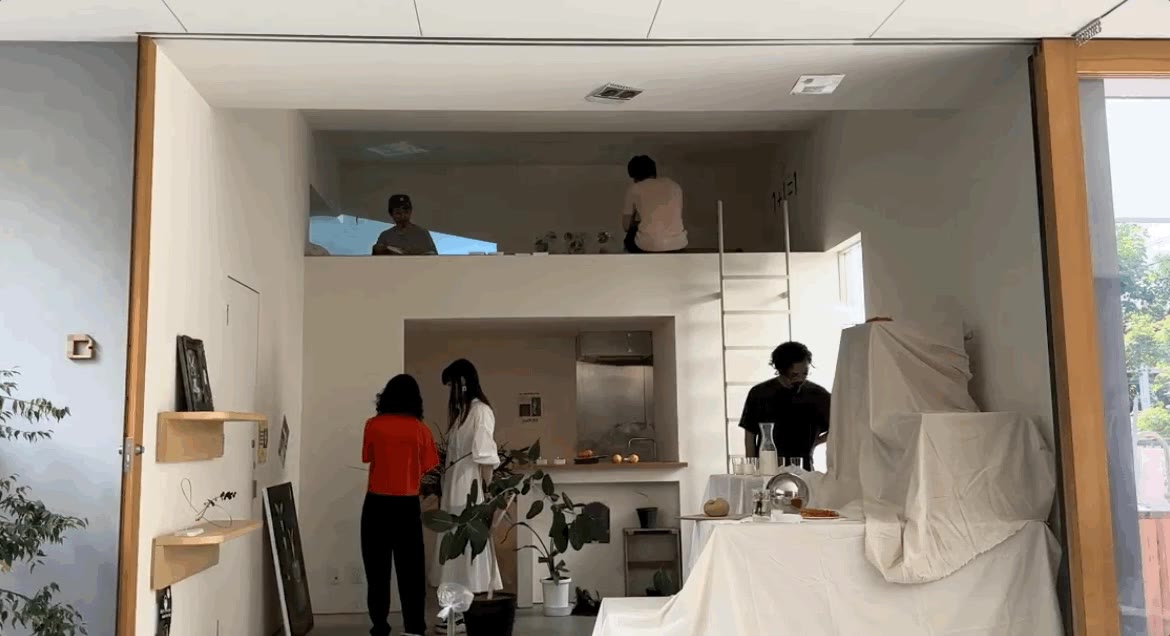
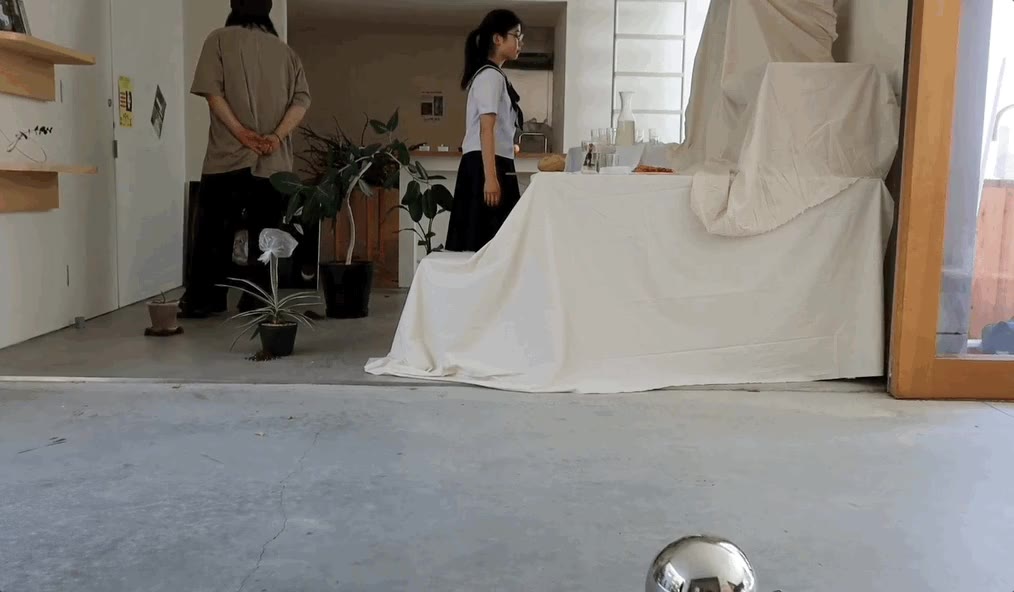
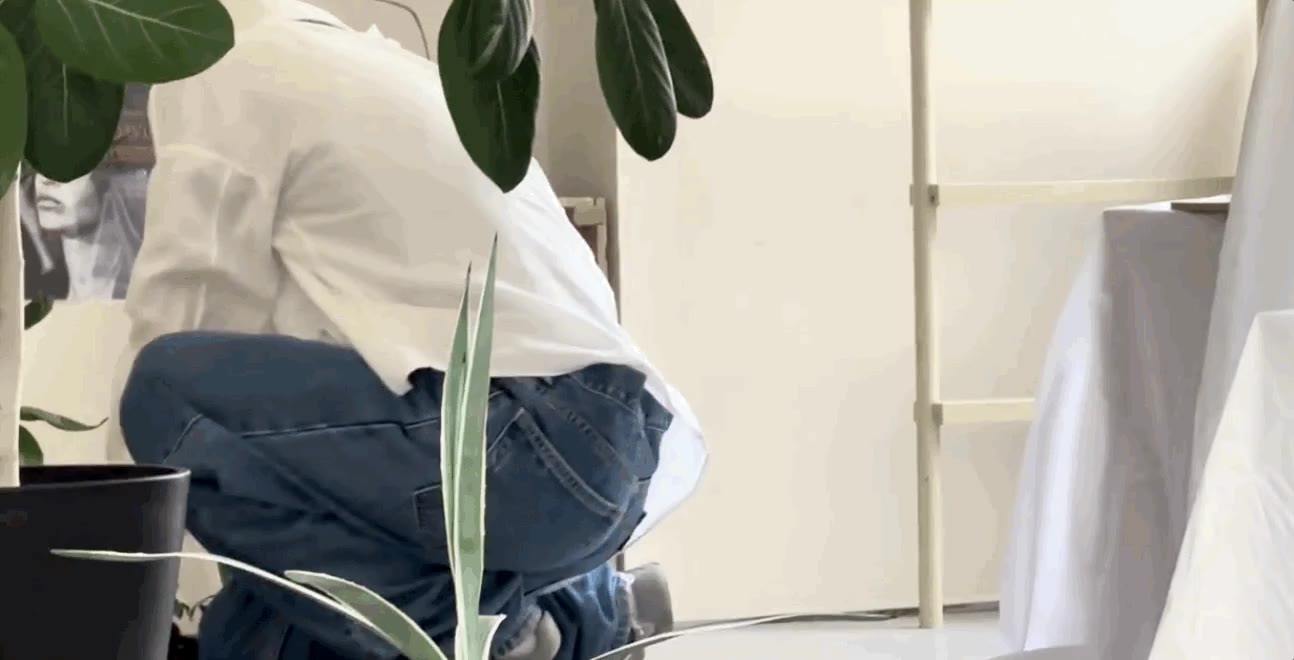
What if you
lived here?
You are told that this room is a reconstruction of what was once believed to be the USAGI's home.
You are asked:
If you were to live here, what would you do to make this place comfortable in your own way?
What did these objects mean to the USAGI? How did they use them?
The objects offer no answers. They are simply there, watching you ponder.
Sub Project 1Wanted Criminals
Wanted Criminals
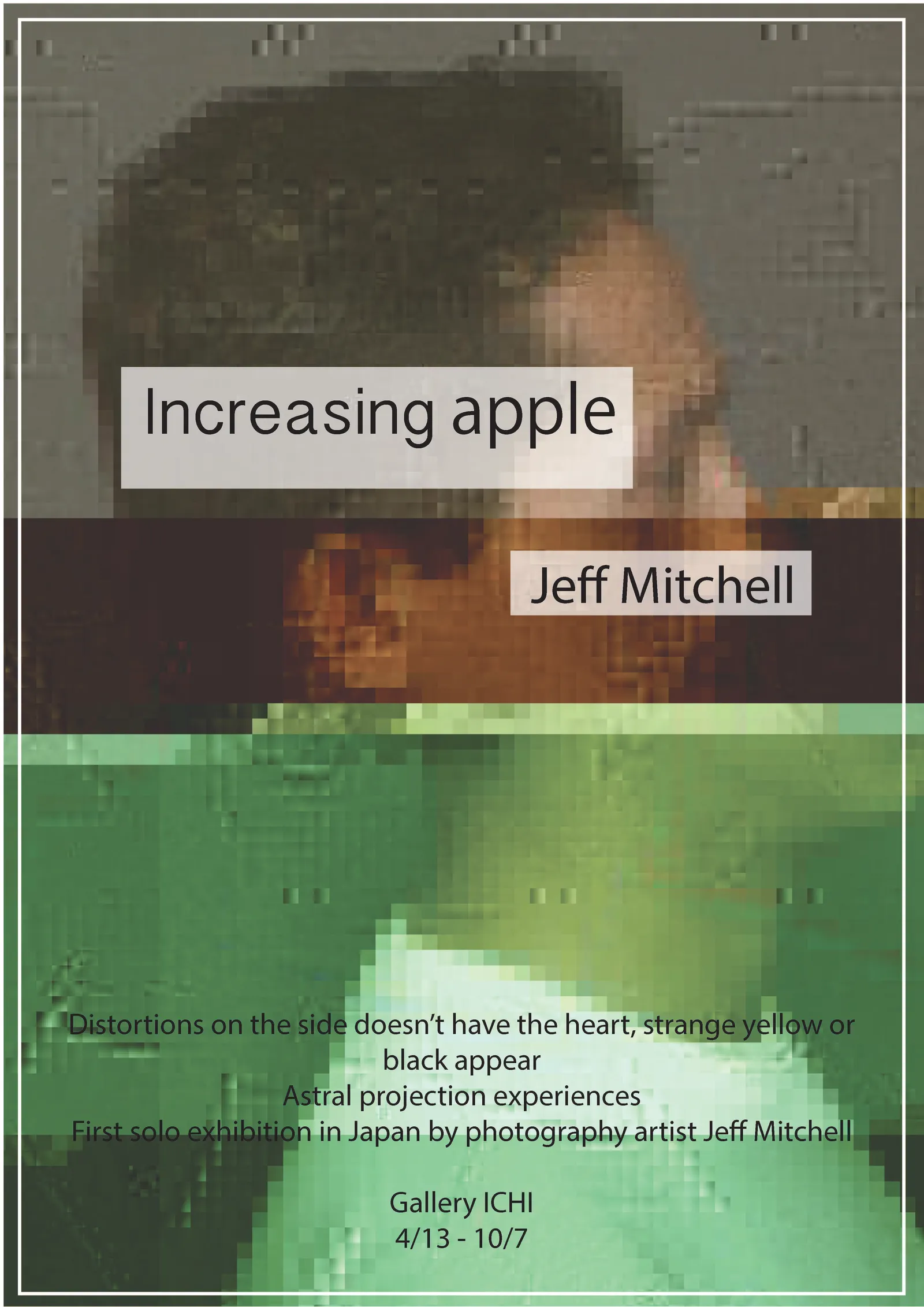
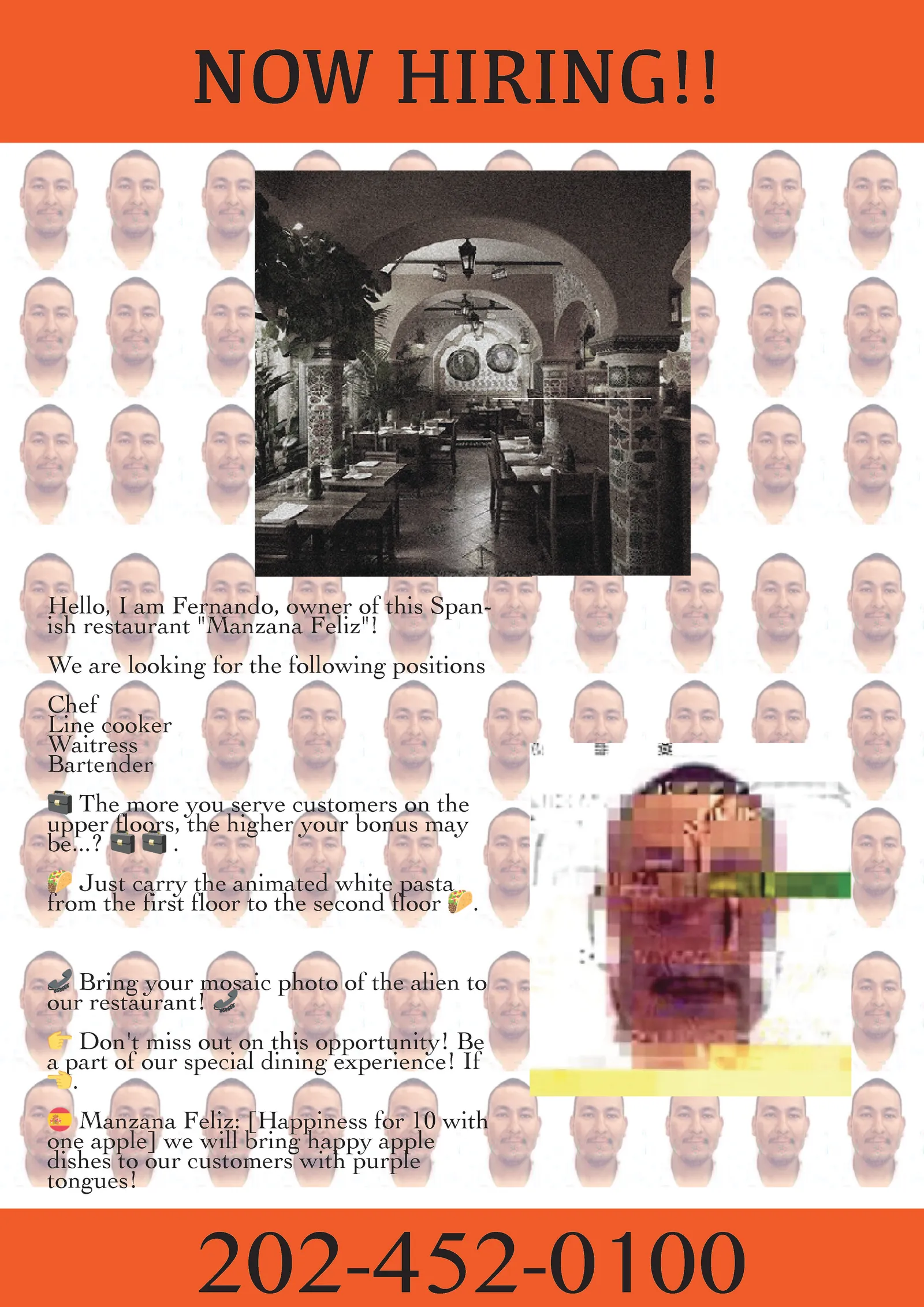
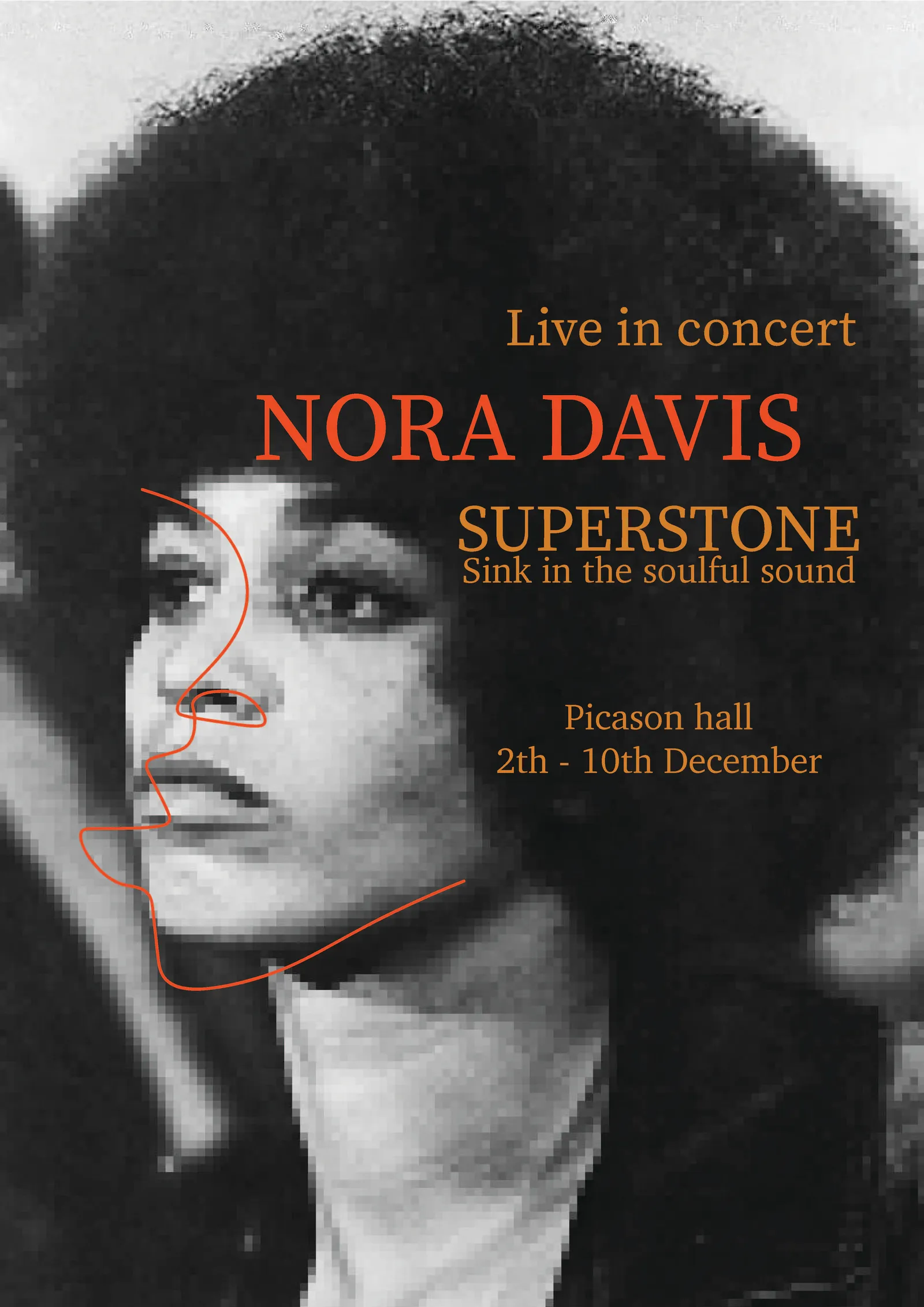
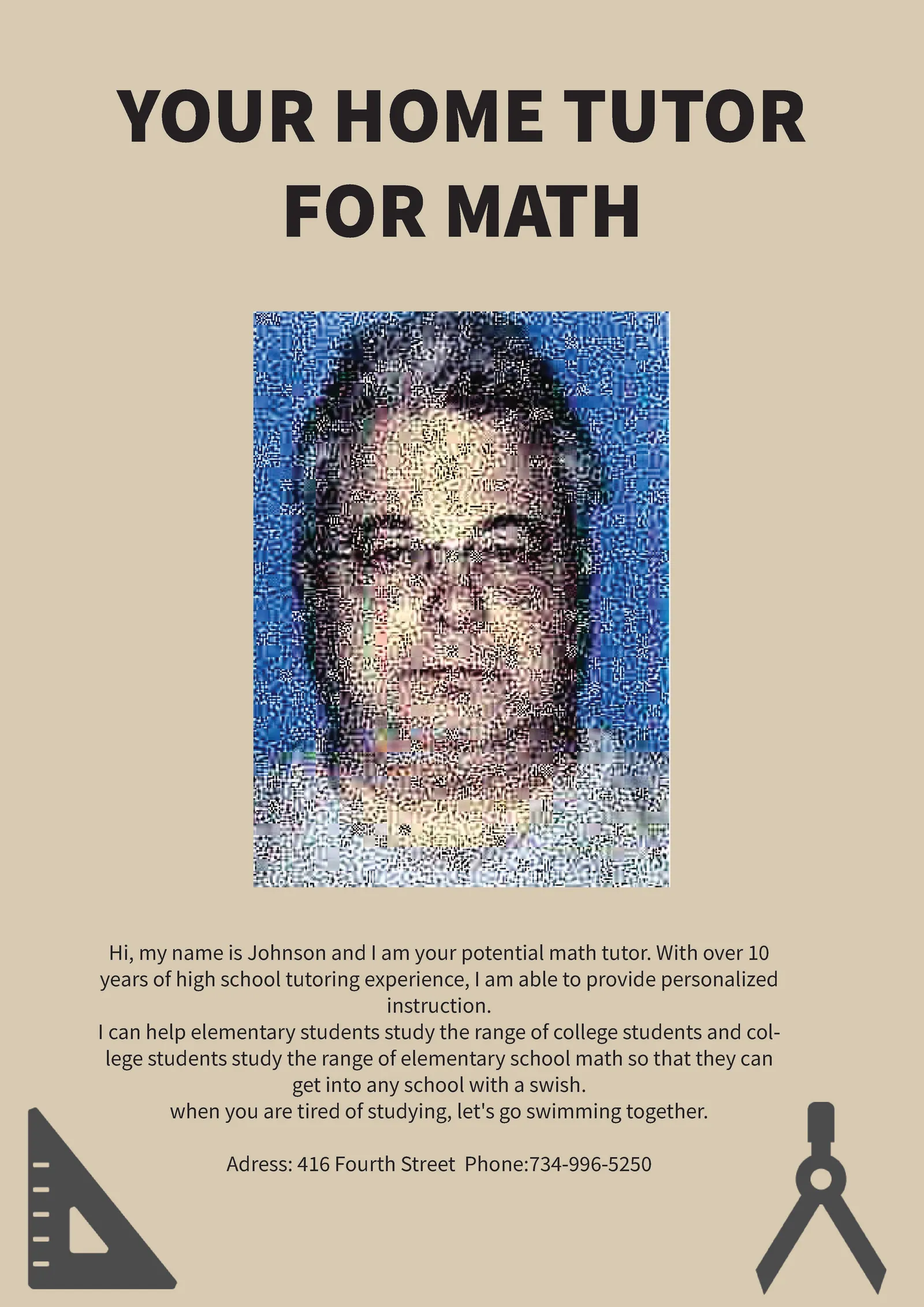
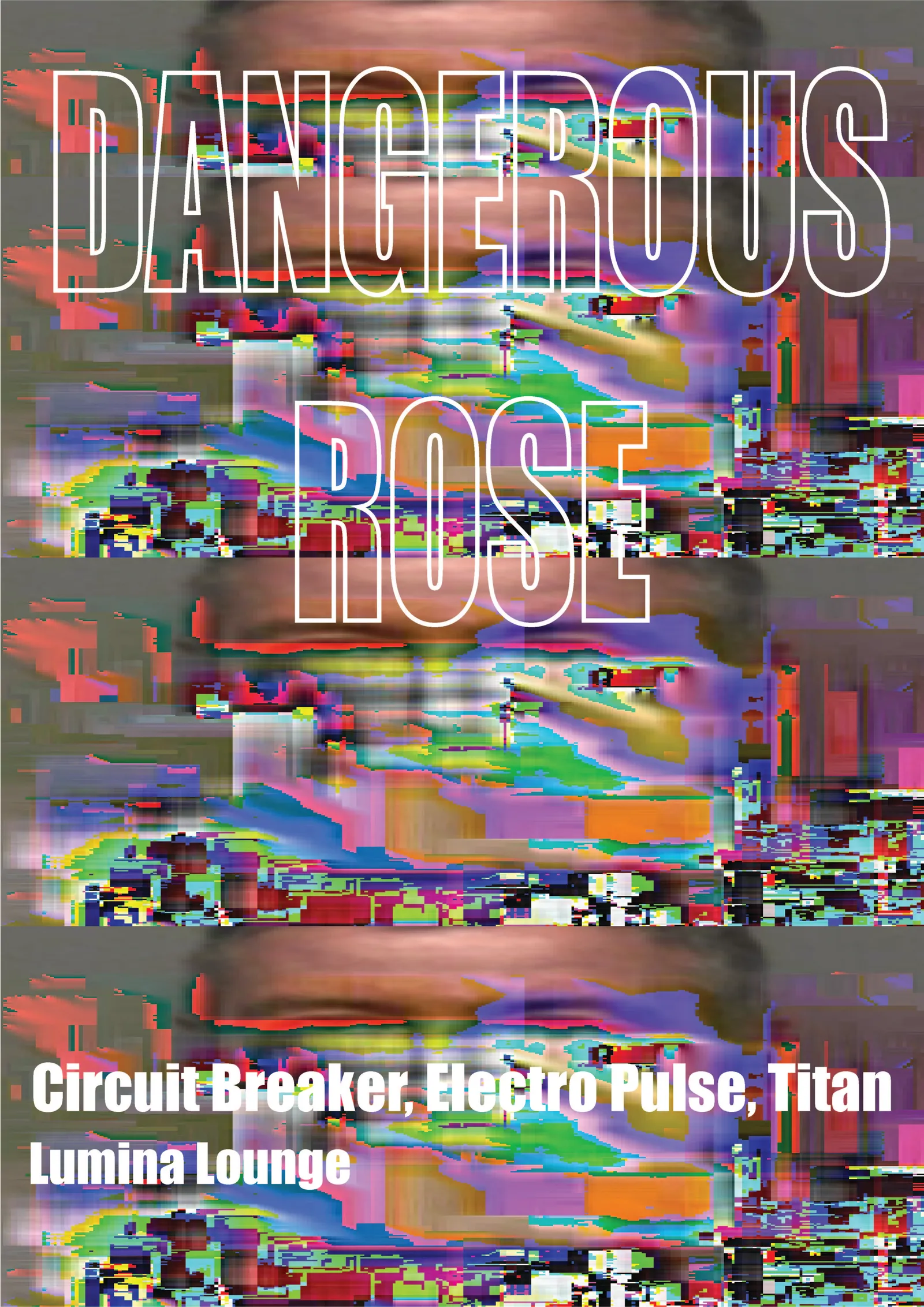
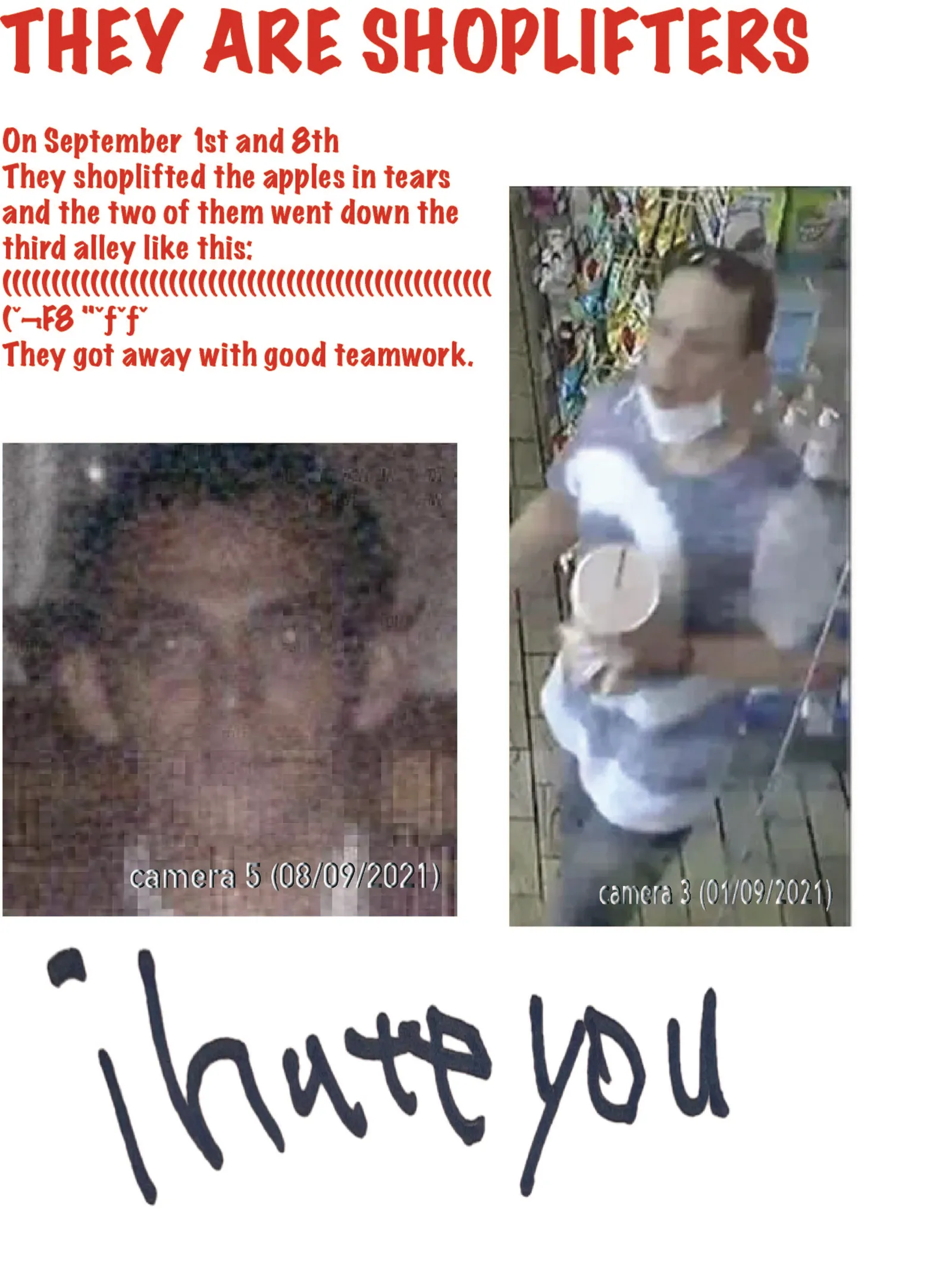
Wanted Criminals reinterprets the fiction held in mugshots. Digital processing places these images in new contexts as a series of posters.
The mugshot, once a fixed image of a criminal, is broken into data and altered at random. Its visual certainty begins to waver, along with its meaning and function.
The reconstructed images are recast as job ads and promotional visuals, slipping beyond the authority of the originals.
How is information manipulated and received in a new context? The work tests the credibility of images and how easily it shifts.



Sub Project 2Dream Mapping
Dream Mapping
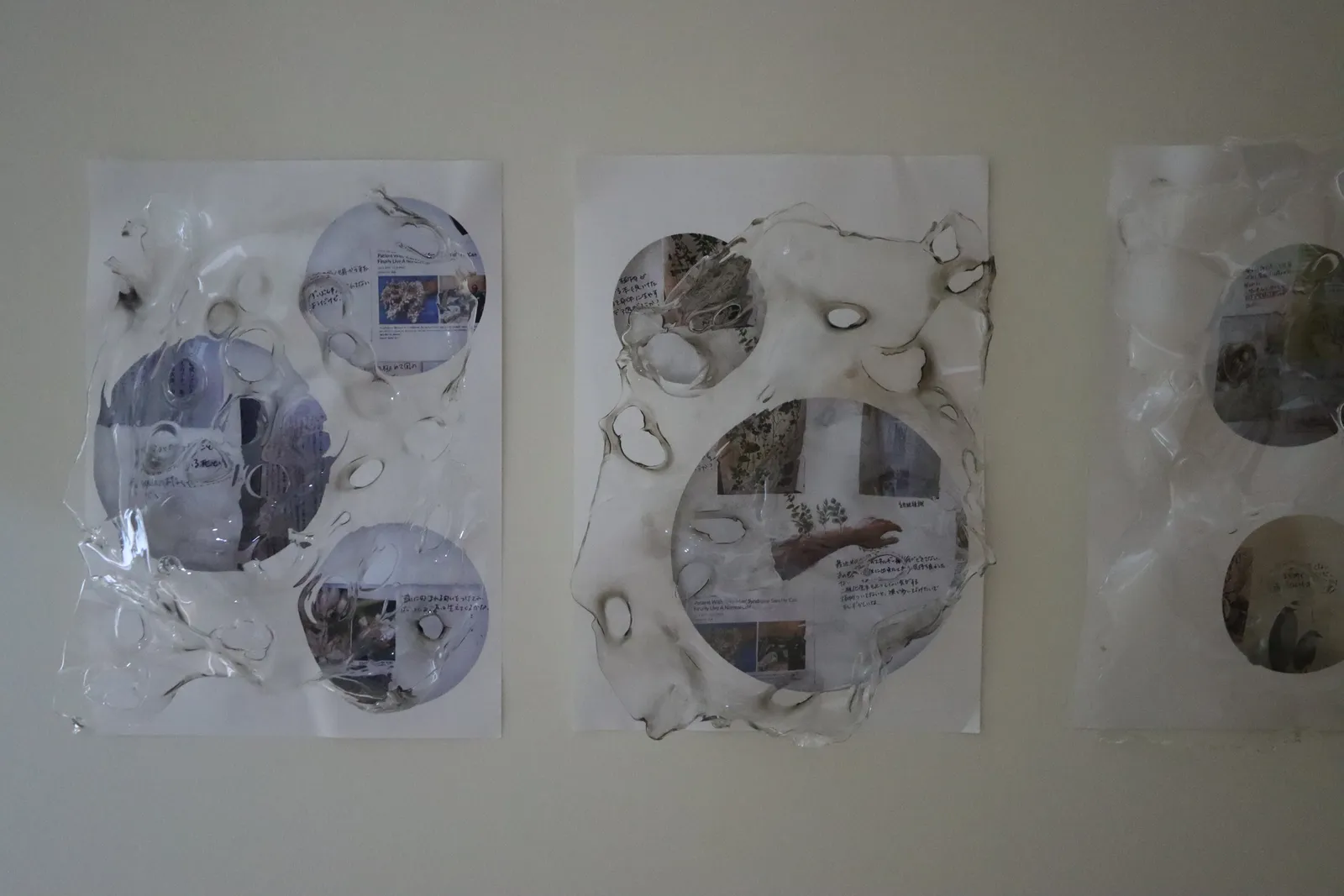
The dream mapping, said to have been kept by the USAGI, are fragmentary records where words and shapes cross paths and resist explanation.
Do they describe a place, a memory, or someone's invention? Viewers are left to interpret them and form their own stories.
Dreams take shape when told and change when shared. Dream Mapping makes that fluidity visible.
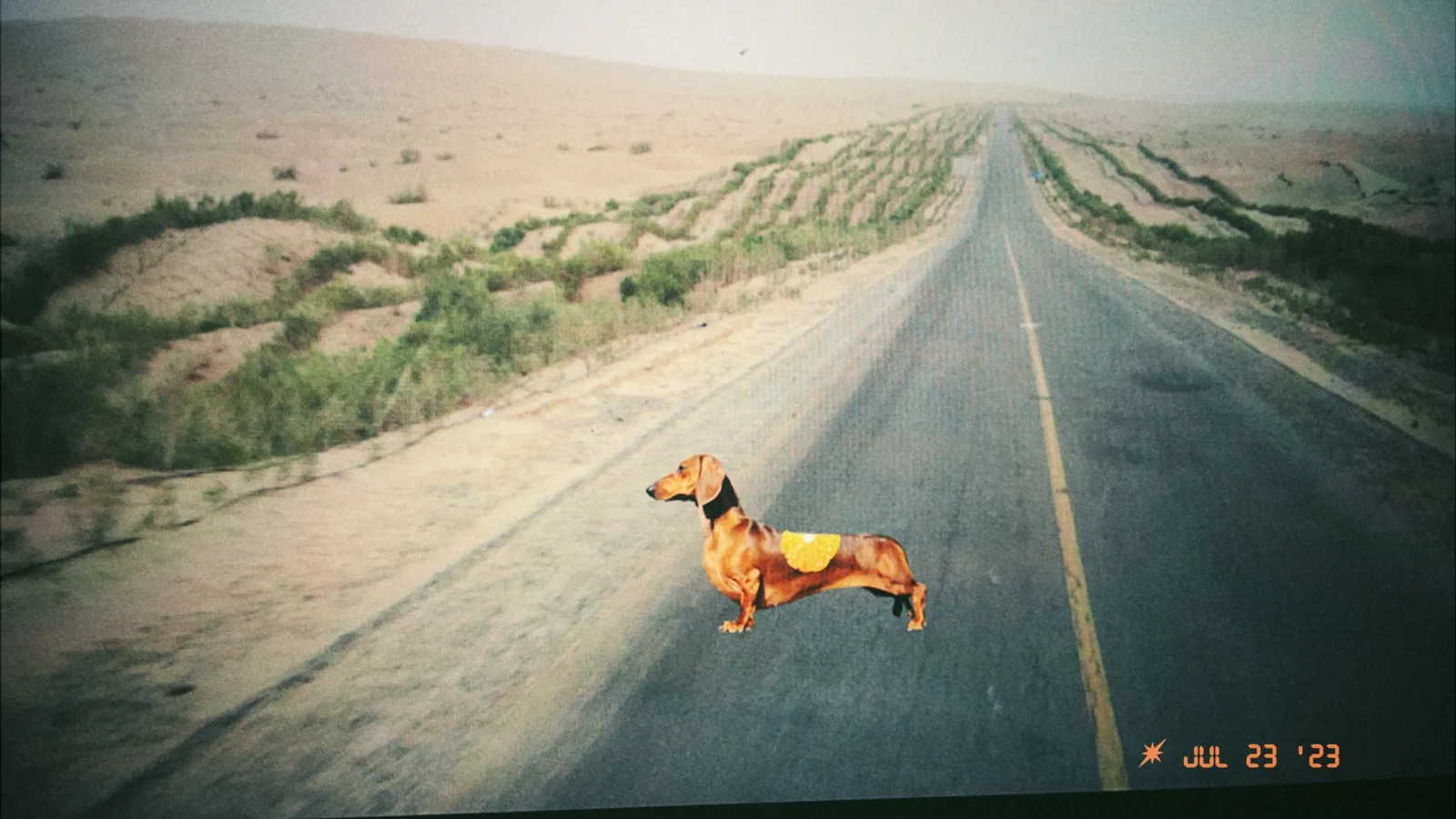
Reality vs Self-reality
Visitors observe, touch, and test the things in the room, creating their own readings and stories.
Did these things exist before, or did they come into being here? Each person's perspective and experience shapes the answer.
Fiction is reconstructed reality. What we come to know by touching it becomes our own Self-reality, jijitsu.